Why Wood-Fired Pizza Tastes Better: The Secret Behind Authentic Italian Flavour
There is something special about a freshly baked wood-fired pizza. From the delicious aroma of the oven to the golden, slightly charred crust and perfectly melted cheese, every bite offers a unique experience. But have you ever wondered why wood-fired pizza tastes better than pizza cooked in a conventional oven?
The secret lies in a combination of high-temperature cooking, carefully prepared dough, quality ingredients and traditional Italian techniques. These elements work together to create a pizza with a crisp exterior, a soft centre and a rich, satisfying flavour.
For pizza lovers, the difference is not just about how the pizza looks. It is about the texture, aroma and balance of flavours that make every slice memorable. Let’s explore what makes wood-fired pizza so special and why this traditional cooking method continues to be loved by pizza enthusiasts around the world.
1. Wood-Fired Pizza vs Regular Pizza: What's the Difference?
Not all pizzas are cooked in the same way. Conventional electric and gas ovens can produce excellent pizza, but the cooking environment may differ from that of a traditional wood-fired oven.
Here are some of the main differences.
Crust texture: Wood-fired ovens can produce a lightly crisp base, an airy rim and characteristic dark spots. Conventional ovens may produce a more uniformly browned crust, depending on their temperature and design.
Cooking time: Traditional high-temperature pizza ovens cook pizzas quickly. Conventional domestic ovens usually operate at lower temperatures and therefore require longer cooking times.
Flavour: Wood-fired pizza often has a distinctive toasted flavour and may have subtle smoky notes. However, the intensity of the smoke flavour depends on the fire and cooking conditions.
Moisture: Rapid cooking can help preserve a soft interior while the crust browns. Longer cooking at lower temperatures can dry out the dough if the pizza is not prepared carefully.
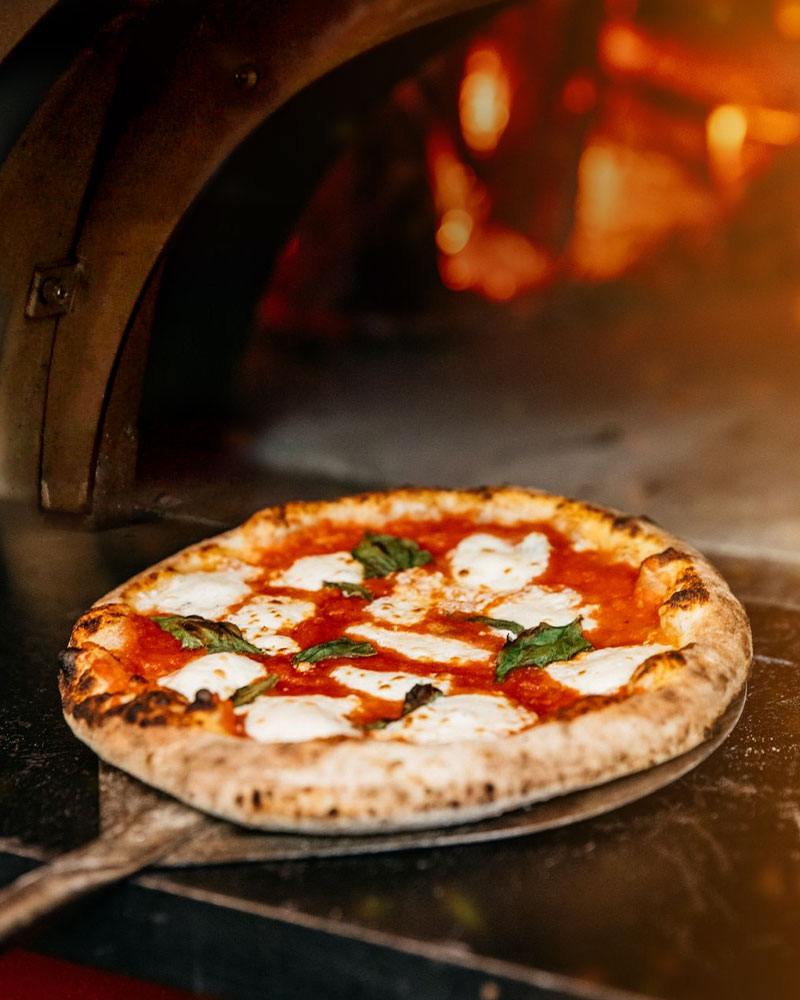
Appearance: Wood-fired pizza often features a bubbly rim with irregular brown spots, giving it a rustic, handcrafted appearance.
It is important to remember that a wood fire alone does not guarantee better pizza. Dough fermentation, ingredient quality, oven temperature and the pizza maker’s technique all influence the final result.
2. The Unique Flavour of a Wood-Fired Pizza
One of the main reasons why wood-fired pizza tastes better is the way it cooks. A traditional wood-fired oven can reach temperatures of around 400–500°C, depending on its design and operating conditions. This intense heat allows pizza to cook quickly while developing a distinctive crust and beautifully browned toppings.
As the dough bakes, its surface develops golden-brown areas and small charred spots. These changes create complex toasted flavours that complement the sweetness of the tomatoes, the creaminess of the cheese and the freshness of the herbs.
The wood fire also contributes to the atmosphere and aroma of the cooking process. When the oven is properly managed, it can add a subtle smoky character without overpowering the natural flavours of the ingredients.
The result is a delicious combination of crispness, softness and rich Italian flavour that many pizza lovers appreciate.
3. Why Wood-Fired Pizza Has Such an Irresistible Aroma
A pizza’s aroma plays a major role in how we experience its flavour. The smell of freshly baked dough, bubbling cheese, warm tomato sauce and fragrant herbs makes a pizza appealing even before the first bite.
High-temperature baking creates browning reactions in the dough, producing aromas associated with toasted bread and roasted foods. The heat also warms the toppings, releasing their natural aromas and bringing their flavours together.
When a wood fire is burning cleanly and the oven is managed correctly, the cooking environment may contribute a subtle smoky note. However, the wood should not overpower the ingredients or leave the pizza tasting acrid.
Freshly baked pizza is best enjoyed soon after it leaves the oven, when the crust is still at its ideal texture and the cheese is warm and soft.
That combination of aroma, temperature and texture is a big part of the appeal of authentic Italian pizza.
4. High Temperatures Create the Perfect Crust
The crust is one of the most important parts of a great pizza. In a wood-fired oven, intense heat reaches the pizza from several directions, including the hot oven floor and the radiant heat from the dome.
This helps the dough cook rapidly, allowing the outer surface to develop a lightly crisp texture while the inside remains soft and airy.
High temperatures also encourage browning reactions that contribute to the crust’s toasted aroma and flavour. When the pizza is baked correctly, the edges develop attractive golden bubbles and small dark spots without becoming completely burnt.
Unlike a pizza that spends a longer time in a cooler oven, a properly cooked wood-fired pizza can retain a tender centre while delivering a satisfying bite.
Achieving this balance requires skill. The oven must be heated properly, the dough needs the right consistency, and the pizza maker must know when to rotate and remove the pizza.
These details help explain why the cooking technique is just as important as the ingredients.
5. Traditional Italian Pizza Starts with Quality Ingredients
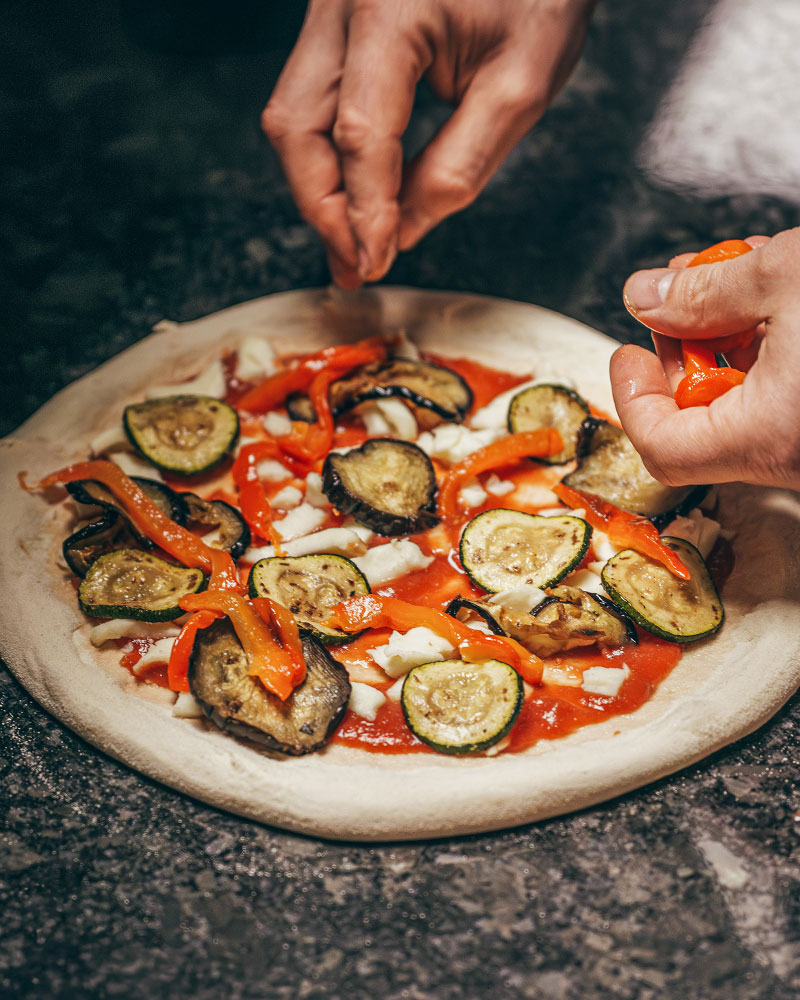
Authentic Italian pizza is built around simplicity. Instead of relying on excessive toppings, traditional recipes allow a few carefully selected ingredients to work together.
A classic pizza may include:
- Quality flour: Provides the foundation for a light, flavourful crust.
- Fresh yeast or a suitable leavening method: Helps the dough rise and develop its structure.
- San Marzano Tomato: Add natural sweetness, acidity and freshness.
- Mozzarella cheese: Creates a creamy texture and rich, milky flavour.
- Extra virgin olive oil: Adds aroma and rounds out the flavour.
- Fresh basil: Brings a fragrant, herbal finish.
The quality and balance of these ingredients can make a significant difference to the final pizza.
Traditional Italian pizza does not need an overwhelming number of toppings to taste delicious. When the base, sauce and cheese are prepared well, each ingredient has an opportunity to shine.
Combined with the heat of a wood-fired oven, these ingredients create a balanced flavour that is satisfying without feeling unnecessarily heavy.
6. The Secret Behind Traditional Italian Pizza Dough
Great pizza begins long before the dough enters the oven. Preparation, kneading and fermentation all influence the finished crust.
A well-made dough needs the right balance of flour, water, yeast and salt. The proportions depend on the recipe and the style of pizza being prepared.
Fermentation is particularly important because it allows the dough to develop flavour and structure over time. Depending on the recipe and temperature, a pizza maker may allow the dough to ferment for several hours or longer.
Properly fermented dough can develop a pleasant aroma, improved extensibility and a texture that is easier to shape.
When the dough is stretched by hand, it should retain enough structure to hold the sauce and toppings without becoming too dense. During baking, the edges expand and form the airy rim associated with many traditional Italian pizzas.
This combination of careful preparation and high-temperature cooking helps create the texture that makes a great wood-fired pizza memorable.
7. The Benefits of Wood-Fired Pizza Ovens
Wood-fired ovens are valued for more than their traditional appearance. Their cooking characteristics can help pizza makers achieve a particular combination of texture, colour and flavour.
Fast and Even Cooking
The oven’s hot floor and radiant heat help cook the base and toppings within a short period. Depending on the oven temperature, dough and toppings, a traditional Neapolitan-style pizza may cook in approximately 60–90 seconds.
The pizza maker must still monitor the pizza carefully to avoid uneven browning or burning.
A Crispy Base and Soft Centre
Direct contact with the hot oven floor helps the base develop structure and crispness. Meanwhile, the short cooking time can help the dough retain moisture, creating a soft and tender interior.
Attractive Browning
High heat encourages the browning and blistering associated with traditional wood-fired pizza. These small details contribute to both the appearance and the flavour of the crust.
A Traditional Cooking Experience
A wood-fired oven brings an unmistakable sense of craftsmanship to pizza preparation. Managing the fire, controlling the temperature and rotating the pizza require experience and attention.
Together, these benefits make wood-fired ovens a popular choice for restaurants that want to offer a distinctive pizza experience.
8. Choosing the Best Wood-Fired Pizza
Finding the best wood-fired pizza involves more than choosing your favourite toppings. The dough, cooking technique and quality of the ingredients are equally important.
Here are a few things to look for when choosing a great pizza.
A well-baked crust: Look for a base that is cooked through, with attractive browning and a texture that suits the pizza style.
Balanced toppings: The sauce, cheese and other ingredients should complement one another rather than compete for attention.
Fresh ingredients: Quality tomatoes, cheese, herbs and olive oil can make a noticeable difference to flavour.
A soft, airy edge: Many traditional Italian styles feature a raised rim with a tender interior and lightly charred spots.
Good overall balance: The best pizza should taste delicious from the first bite to the last, without an excessively dry crust or overpowering toppings.
Ultimately, the best wood-fired pizza is one that combines thoughtful preparation, careful cooking and ingredients that work beautifully together.
9. Enjoying Wood-Fired Pizza at Fordes Courtyard
For the team at Fordes Courtyard, wood-fired pizza is about bringing a little piece of that traditional experience to the table, with a delicious selection featured on the our Pizza Menu.
Whether you prefer a classic combination of tomato and mozzarella or a pizza topped with your favourite ingredients, the appeal of a well-made pizza lies in the balance between its base, sauce, cheese and toppings.
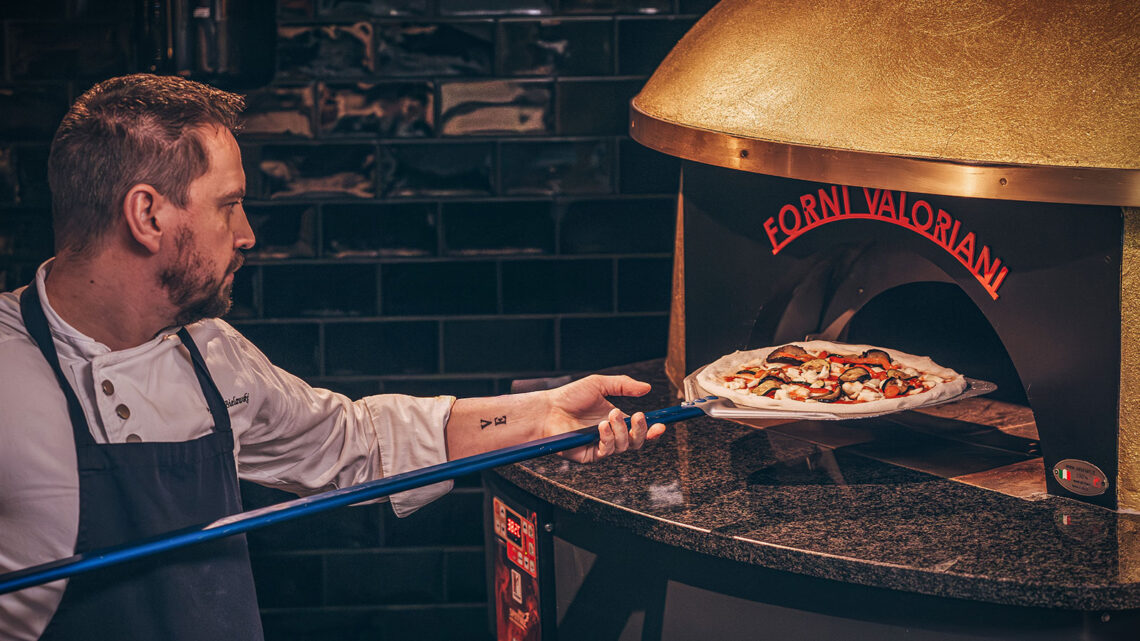
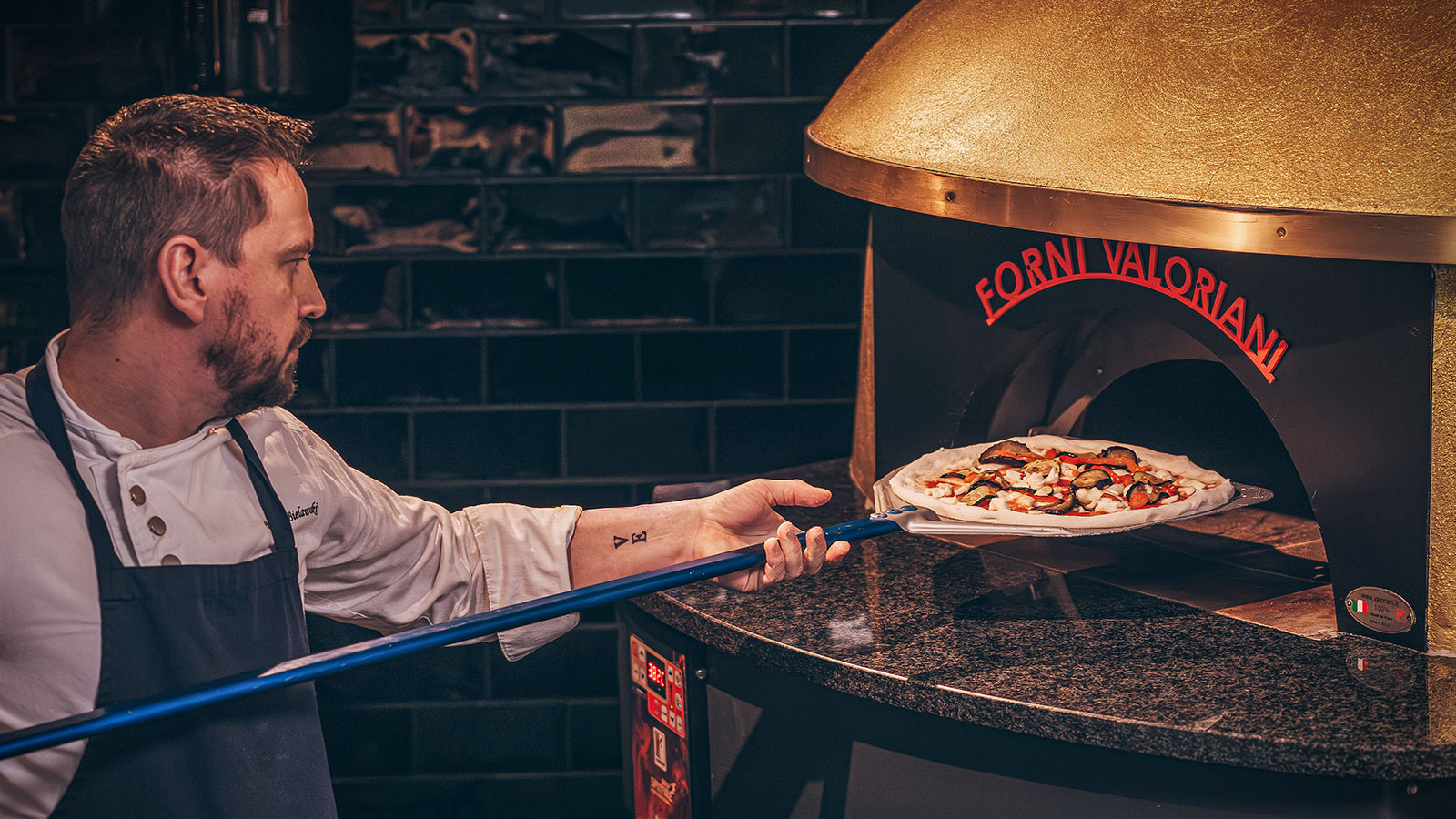
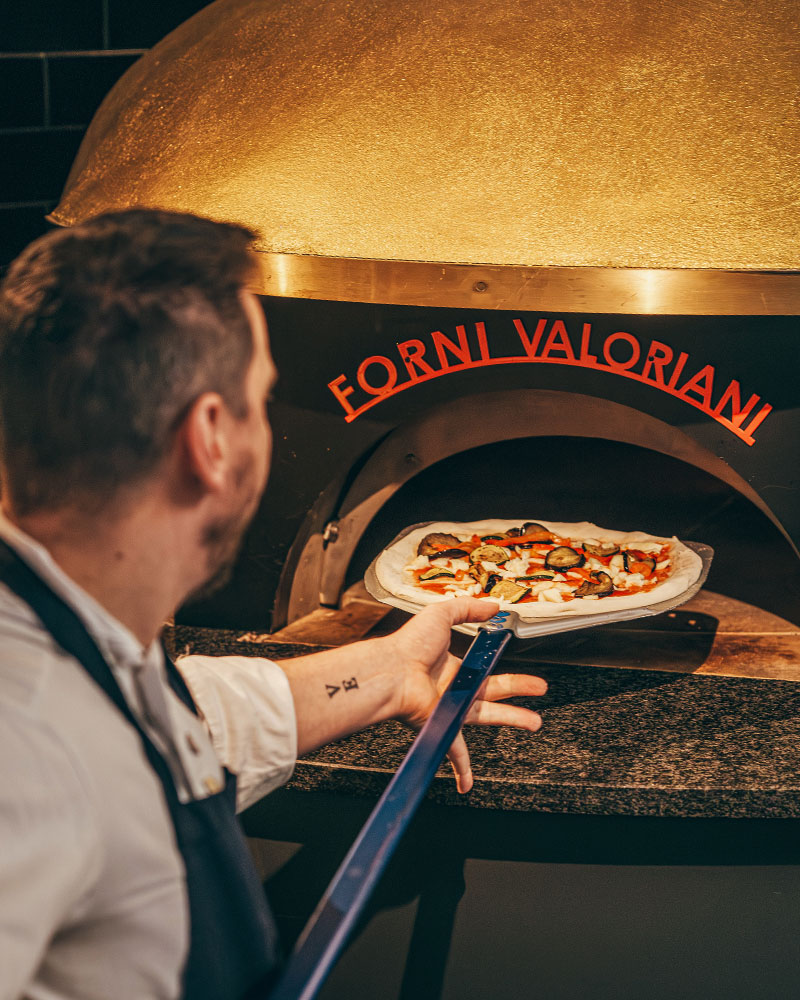
The Valoriani oven is more than a piece of kitchen equipment. There is a reason wood-fired pizza has remained so popular for generations. Wood-fired cooking has a particular charm because it brings together traditional techniques and the simple pleasure of freshly prepared food. The golden crust, warm toppings and inviting aroma all contribute to an enjoyable dining experience.
A great pizza does not need to be complicated. Sometimes, a carefully prepared dough, quality ingredients and the right cooking technique are all it takes to create something memorable.
At Fordes Courtyard, pizza lovers can make a meal special by enjoying the flavours, textures and relaxed atmosphere that make dining out memorable.
#WoodFiredPizza #WoodFiredOven #AuthenticItalianPizza #ItalianPizza #PizzaLovers #PizzaMaking #TraditionalItalianFood #PizzaCrust #ItalianFlavours #FoodLovers #FreshlyBakedPizza #FordesCourtyard
Frequently Asked Questions (FAQs)
1. Why wood-fired pizza tastes better than regular pizza?
Wood-fired pizza can develop a crisp, browned crust and a soft, airy interior because of the oven’s high temperature and rapid cooking. Quality ingredients and good dough preparation further enhance its flavour.
2. What makes wood-fired pizza taste different?
The difference comes mainly from the cooking temperature, heat transfer, crust browning and dough preparation. A properly managed wood fire may also contribute subtle smoky notes.
3. How long does it take to cook a wood-fired pizza?
A traditional Neapolitan-style pizza may cook in approximately 60–90 seconds in a suitably heated oven. Other pizza styles and ovens may require different cooking times.
4. What are the main benefits of wood-fired pizza ovens?
They can achieve high temperatures, cook pizza quickly, create a crisp and tender crust, and produce characteristic browning. They also offer a traditional cooking experience that requires skill and attention.
5. What ingredients are used in authentic Italian pizza?
Common ingredients include flour, water, yeast, salt, tomatoes, mozzarella, olive oil and fresh basil. Specific ingredients vary according to the pizza style and recipe.
6. Does wood-fired pizza always have a smoky taste?
No. The smoky flavour can be subtle or almost undetectable, depending on the type of wood, fire management and cooking conditions. Much of the distinctive flavour comes from the crust’s browning and texture.

You May Also Like

The Story Behind Fordes Courtyard: Bringing Something Different to Limerick
November 16, 2026